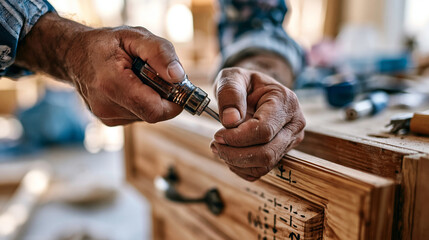
What Are the Best Cabinet Refinishing Options for Your Kitchen?

Cabinet Refinishing

A kitchen can feel completely different without changing its layout, replacing the countertops, or investing in brand-new cabinets. Sometimes, all it takes is a fresh finish to give tired cabinetry a cleaner, more updated look. Cabinet Refinishing Sacramento is one of the most practical ways to refresh existing cabinets while keeping the structure you already have. With several refinishing options available, homeowners can choose a finish, color, and style that better matches their current design preferences. Understanding the different cabinet refinishing options can make it easier to create a beautiful transformation without the expense and disruption of a complete cabinet replacement.

Cabinet Painting as a Refinishing Option

Cabinet painting is one of the most popular refinishing options because it can create a dramatic visual change. A new paint color can make dark cabinets appear brighter or give plain cabinetry a more modern personality. White, cream, gray, beige, and soft neutral shades remain popular choices because they can complement many interior styles. Deeper shades can also create a bold appearance when used thoughtfully. The key to an attractive result is proper preparation before applying paint.

Clean, lightly sand, and prepare the existing cabinet surfaces so the new coating adheres properly. Any dents, scratches, or small imperfections may also need attention before painting begins. Choosing a durable cabinet-specific coating can help the finished surface withstand regular kitchen use. A smooth application can make older cabinets look significantly newer without changing their original construction. Painting is especially useful when the cabinet doors and frames are still structurally sound but the existing color has become outdated.

Cabinet Staining for a Natural Appearance

Cabinet staining is another option for homeowners who want to maintain or enhance the natural character of wood cabinetry. Unlike paint, stain keeps the wood’s grain and texture visible. This can create a warm and timeless appearance that works well with traditional, rustic, transitional, and contemporary designs. Different stain shades can make the wood appear lighter, richer, warmer, or darker depending on the desired result. Staining can therefore provide a noticeable transformation while preserving one of the most appealing features of natural wood cabinets.

Before staining, the existing finish generally needs to be removed or prepared so the new stain can penetrate the wood properly. The condition and type of wood can affect how evenly the stain absorbs, so testing the chosen color on a small area can be helpful. Some woods naturally produce stronger grain patterns, while others have a more subtle appearance. A protective topcoat can also be applied to help preserve the refinished surface. For homeowners who appreciate natural materials and visible wood grain, staining can be an excellent alternative to completely covering the cabinetry with paint.

Glazing and Decorative Finishes

Glazing can add depth and character to refinished cabinets while creating a more decorative appearance. This technique involves applying a translucent layer over a base finish and manipulating it so certain details become more noticeable. Glaze can emphasize grooves, edges, profiles, and other decorative features on cabinet doors. Depending on the color selected, the result can look subtle and sophisticated or more aged and distinctive. This makes glazing a flexible option for cabinetry that needs more visual dimension.

A decorative finish can also be combined with other refinishing methods to create a customized appearance. For example, a cabinet may receive a new painted base color followed by a carefully applied glaze to highlight specific areas. The final effect depends on the cabinet design, existing material, and desired style. Because decorative finishes require controlled application, preparation and technique are especially important. When done carefully, glazing can give ordinary cabinetry a more detailed appearance without requiring new cabinet doors.

Clear Coats and Protective Refinishing

A refinishing project is not only about changing the color or appearance of cabinets. Protecting the finished surface is equally important because kitchen cabinetry is exposed to moisture, grease, fingerprints, cleaning products, and frequent handling. A clear protective coating can provide an additional layer of durability over a painted or stained surface. Different protective products can produce finishes ranging from low sheen to a more noticeable shine. The right choice depends on the desired appearance and the amount of daily use the cabinets receive.

Protective coatings can also help maintain the appearance of refinished cabinets over time. However, the coating needs to be compatible with the underlying finish to avoid problems such as peeling, cloudiness, or uneven texture. Proper drying and curing time should also be allowed before the cabinets are returned to regular use. Rushing this stage can affect the durability of the entire project. A well-protected finish can help refinished cabinets remain attractive while making routine cleaning and maintenance easier.

Choosing Between Light and Dark Cabinet Finishes

Color plays a major role in the overall impact of cabinet refinishing. Light finishes can make a kitchen feel more open, bright, and spacious, particularly when natural light is limited. Soft whites, warm creams, light grays, and muted neutral tones can create a clean appearance without overwhelming the surrounding design. These colors can also provide flexibility when selecting countertops, flooring, backsplashes, and decorative accessories. For homeowners who want a timeless look, lighter cabinet finishes can be a dependable choice.

Dark finishes can create a completely different atmosphere by adding contrast, depth, and visual weight. Deep gray, charcoal, brown, navy, and other rich tones can make cabinetry feel more dramatic and sophisticated. Dark finishes may work particularly well when balanced with lighter walls, countertops, flooring, or hardware. The condition of the existing cabinets should also be considered because darker colors can sometimes make surface imperfections more noticeable. Ultimately, the best color is one that works with the existing room while reflecting the desired mood and style.

Refinishing Cabinets for a Two-Tone Look

A two-tone cabinet design can provide a stylish way to combine different colors or finishes within the same space. Instead of refinishing every cabinet in one shade, homeowners can use contrasting finishes to create visual interest. One color may be used on the upper cabinets while another is applied to the lower cabinets. Another approach is to use a different finish on a central cabinet section or another prominent area. This technique can make a refinishing project feel more customized without requiring a complete change to the cabinetry.

When selecting two finishes, it is important to consider how the colors interact with one another. Strongly contrasting shades can create a bold appearance, while similar tones can produce a softer and more coordinated result. Hardware, countertops, flooring, and surrounding surfaces should also be considered when choosing the combination. A balanced design prevents the cabinetry from appearing visually disconnected from the rest of the room. With careful planning, a two-tone refinishing project can create a distinctive appearance while keeping the existing cabinet structure.

Choosing the Right Cabinet Refinishing Option

The best cabinet refinishing option depends on several factors, including the condition of the cabinets, the material, the existing finish, and the desired appearance. Cabinets with visible natural wood grain may be better suited to staining, while cabinets with a dated color may benefit more from painting. Decorative techniques such as glazing can be considered when the goal is to add character and emphasize cabinet details. Protective clear coats can be incorporated into many refinishing projects to improve durability. Considering all of these factors before starting can help prevent costly mistakes and disappointing results.

It is also important to think about long-term maintenance when choosing a refinishing method. A beautiful finish should still be practical enough to handle everyday activity. Kitchen cabinets are frequently opened, touched, cleaned, and exposed to changing conditions, so durability should remain a priority. Samples can help homeowners compare colors and finishes under the actual lighting conditions in the room. Taking time to evaluate the options can make the final result more cohesive and satisfying.

Final Thoughts

Cabinet refinishing offers many ways to refresh existing cabinetry without completely replacing it. Painting, staining, glazing, protective coatings, and two-tone finishes can each create a different appearance while allowing homeowners to work with the cabinets they already have. The best choice depends on the condition of the cabinetry, the desired style, and the level of durability needed for everyday use. Careful preparation and appropriate finishing materials are essential for achieving a professional-looking result. With the right refinishing approach, outdated cabinets can become an attractive feature that gives the entire kitchen a renewed and inviting appearance.

Water Damage Repair for Commercial Buildings

Water Damage Repair for Commercial Buildings

Water damage is a common problem in commercial properties. It can occur from a variety of sources including a ruptured pipe, storm damage, and appliance malfunction.

It poses several risks that can lead to business disruptions and loss of revenue. These include infection control hazards, mold growth, and structural deterioration. Contact Salt Lake Water Damage Repair for more information.

Preventive Measures

When a commercial property suffers water damage, it’s important to take immediate action. A quick response will limit the extent of the damage, minimize health risks and ensure business operations can continue. However, it’s equally important to understand what preventive measures can help avoid future problems.

While natural disasters like floods and hurricanes can cause obvious damage, most water intrusion issues are less dramatic. From slow leaks to burst pipes concealed within walls, these unseen dangers can jeopardize structural integrity, encourage the growth of mold, and disrupt operations. Fortunately, these hidden threats are usually easy to detect with proper commercial waterproofing.

Water penetration in commercial buildings often begins with leaks or broken sprinkler heads, but other causes can include clogged gutters, improperly installed HVAC systems, or worn-out caulking around doors and windows. Regular inspections of plumbing and roof systems, sprinkler heads, and water-monitoring systems can spot problems early. Regular maintenance by a professional contractor will help extend the life of commercial roofing systems, HVAC systems, and appliances, further minimizing water damage risks.

Walls and foundations can also be significant sources of unwanted water intrusion in a building. Cracks or gaps in these areas can allow groundwater to seep into a building, especially during heavy rainfall or if the soil is particularly sandy. This moisture can eat away at materials, encourage mold growth, and create an unhealthy environment for occupants.

Even a small leak can lead to significant damage and require extensive restoration. Depending on the severity, it may be necessary to close off the affected area of the building, which can lead to lost revenue for businesses operating in the space and customer dissatisfaction. A fast response is critical for minimizing water damage, and choosing the right water damage restoration partner can make all the difference.

It’s important to have a clear emergency response plan in place for commercial properties. Incorporate a list of emergency shut off valves in every room, train janitorial staff and on-site employees on how to quickly shut off water supplies, and have contact information handy for reliable plumbers and vendors who offer 24/7 emergency service.

Water Extraction

Water damage is a common problem that businesses experience. It can be caused by flooding, leaks, sewage backups, or natural disasters. It can be very dangerous for occupants, and it can also damage equipment and inventory. In order to minimize the damage and prevent further problems, commercial property owners should act immediately. This includes taking steps like shutting down the water source, identifying the source of the problem, contacting their insurance company, and getting professional restoration services.

The first step in the water damage repair process is called water extraction. This involves draining visible standing water and removing the remaining moisture from porous materials like drywall and insulation. This is an important part of the restoration process because it can minimize the damage and save on costly repairs in the future.

Once the water is removed, the next step is to dry out the affected areas. This is done by using specialized equipment like industrial strength fans and dehumidifiers. These tools will reduce humidity and speed up the drying process. They will also monitor moisture levels to ensure that materials are completely dried, which prevents warping and other forms of damage.

Depending on the source of the water, different steps may be necessary to protect the occupants and contents of the building. For example, contaminated water may require filtration and sterilization. This process can be complicated and time-consuming, but it is essential to safeguard health and safety.

It is important for business owners to understand the difference between water removal and water damage restoration. Water removal is the first step in the water damage mitigation process, while restoration is the final step in restoring a property to its original state. Water damage restoration requires an understanding of the damage, a detailed inspection of the property, and a thorough cleaning and dehumidification.

Water damage can lead to expensive repairs, loss of revenue and even structural damage. Taking the right steps to mitigate water damage is essential for the longevity of your business. The best course of action is to contact a professional water damage restoration service at the first sign of moisture intrusion in your commercial building.

Dehumidification

The removal of excess moisture is an important part of the water damage repair process. Professional restoration crews will use industrial-grade dehumidification equipment that can be strategically placed to facilitate a rapid and effective drying time for the affected areas of your property. This step is necessary to prevent structural issues and long-term problems like mold growth.

Investing in advanced leak detection systems is an excellent way to protect your commercial building from costly water damage incidents. While these systems require a considerable initial investment, the ROI potential is substantial, with direct repair costs and business interruption expenses reduced by 90% or more according to industry estimates. In addition, many insurance providers offer premium reductions of 5-15% for commercial properties with early leak detection systems.

In NYC, where high-rise buildings, aging infrastructure, and other factors combine to create unique water leak risks, these systems can provide a valuable asset in protecting your property from the financial losses and structural damage that can result from untreated water intrusion. When evaluating the costs and benefits of these systems, consider all associated expenditures including system purchase and installation, ongoing monitoring fees, maintenance contracts, and staff training.

Once a disaster occurs, the immediate restoration of your property is key to minimizing the impact and reducing potential risks like mold and structural damage. The longer standing water is left untreated, the more damage it will cause, driving up your costs for restoration services.

Leaks and floods can occur due to a variety of circumstances, from severe storms and sewage system faults to burst pipes and firefighting efforts. However, many of these situations are avoidable with proper maintenance and proactive repair, such as replacing corroded or rusty pipes before they fail.

When assessing your options for commercial water leak detection, look for solutions that integrate sensors with building management systems and enable multi-channel notification of alerts. These technologies can help you reduce energy consumption and support your sustainability goals by detecting and responding to inefficient usage and leaks. In addition, they can also provide actionable data to support risk assessment and mitigation decisions.

Mold Remediation

Commercial buildings carry a significant amount of foot and vehicle traffic on a daily basis, and they must be structurally sound to keep employees and patrons safe. Unfortunately, many building issues can lead to water damage, and when it does occur, the results can be devastating for businesses. Water damage repair specialists can restore a damaged building’s appearance, and they can also help ensure that the building remains structurally sound.

Professional restoration companies can utilize specialized tools designed to work on large-scale water damage, such as industrial-grade pumps and high-capacity dehumidifiers. These tools expedite the restoration process and minimize long-term damage, such as mold growth and electrical hazards. They can also determine the source of the water intrusion, allowing them to prevent future problems.

Water damage is a serious problem that requires immediate attention. The longer the water sits, the more damage it causes, and the more costly it will be to fix. It is important to call in a water mitigation company and a property restoration specialist as soon as possible to minimize damage.

Once the water has been removed and the affected areas have been sanitized, technicians can begin repairs. They will likely need to remove rotted wood and other materials, and they may need to replace ceilings, floors, walls, and roofs. They will also need to clean and disinfect the contaminated area, which is necessary to avoid spreading the mold spores to unaffected areas of the building.

If the area is heavily contaminated, air sampling for mold may be necessary to identify and differentiate species of mold and to compare with outdoor control samples. However, air sampling is only a snapshot of what was in the air at a particular time, and the interpretation of sampling results can be difficult without experience in mold remediation. When sampling for mold, it is important to wear Personal Protective Equipment (PPE), such as an N-95 respirator, protective gloves, and eye protection.

Professional restoration services can save businesses valuable time and money by reducing downtime. They can also provide a clear picture of the extent of the damage to help owners plan and execute restoration processes with minimal impact on occupancy. In addition, they can work closely with insurance companies to help property owners file claims quickly and accurately.

Visit our Professional Services Blogs

Portland Metro Plumbers, Provantage Handyman, Santa Ana Flooring, Plumbing Heating Cooling New Jersey, Riverside Stump Grinding, Painter In Hanover, My Restoration Directory, Miami Dade Restoration Services, Update Construction, Campanelli Construction, Cruz Construction And Restoration , Airconditioning Round Rock, Air Dynamics Airconditioning And Heating, Gands Airconditioning And Heating, Windward Building Company LLC, Airconditioning Repairs Bocaraton, Laguna Airconditioning, Roofing 719, 3 Phase Construction NJ, Broadway Building Contractors, UIS Concrete And Demo, Austin Plumbers Near Me, Richmond Gutter Cleaning Company, Weather Defense Roofing Weather Proof Roofing, Ray Allen Plumbing, Raleigh Pressure Washing Painting , Fairfield County Septic, Carlson Craft Cabinets, Helping Hand Home Improvement, Delco Home Inspector,  Window Cleaning Stafford