What Are the Best Metal Stair Railing Options for Your Space?

metal works

A staircase can instantly change the character of an interior or exterior space. The right railing can make it feel safer, more comfortable, and visually complete while adding an important architectural detail. Metal stair railings are especially popular because they combine strength with a wide range of design possibilities. From simple vertical bars to decorative patterns and sleek modern systems, there are options available for many different styles. Choosing the right metal railing is therefore not only about safety, but also about finding a design that complements the entire staircase.

Metal Stairs Railings can provide dependable support while creating a polished appearance around a staircase. Their durability makes them suitable for high-traffic areas, while their versatility allows them to work with different stair materials. They can be fabricated into simple or complex shapes depending on the desired result. Different finishes can further change the railing’s appearance and provide additional protection. Understanding the available metal stair railing options can make the selection process easier and help create a staircase that is both functional and attractive.

What Are the Most Popular Metal Stair Railing Options?

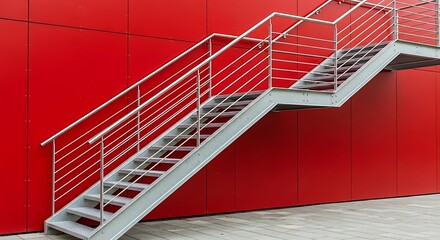
One of the most common metal stair railing options is the vertical bar railing. This design uses evenly spaced metal bars that extend between the handrail and the stair structure. Its simple appearance works well with contemporary, traditional, and industrial interiors. Vertical bars can also create a strong sense of height and openness without making the staircase appear overly heavy. Because the design is relatively straightforward, it can provide an effective balance between safety, durability, and appearance.

Horizontal metal railings offer another option for people who prefer a different visual arrangement. Instead of vertical bars, the railing uses horizontal metal sections positioned between structural supports. This design can create a long, clean appearance that works particularly well with modern architectural styles. However, railing configuration should always be considered in relation to applicable safety requirements and intended use. The spacing and construction should be carefully planned to ensure that the railing provides appropriate protection while maintaining its desired appearance.

Are Cable and Rod Metal Railings Good Choices?

Cable railings combine metal framing with thin cables stretched horizontally or vertically across the railing system. Their slim appearance can help preserve an open view around the staircase. This makes them particularly appealing when the goal is to maintain a spacious and uncluttered visual effect. The metal framework provides structural support while the cables contribute to a lightweight appearance. Proper tension and installation are important because loose cables can affect both the appearance and performance of the railing.

Rod railings provide a similar streamlined appearance while using solid metal rods instead of flexible cables. The rods can be arranged vertically, horizontally, or in customized patterns depending on the desired design. They generally provide a stronger visual presence than cable systems while still maintaining relatively clean lines. Rods can also be fabricated in different sizes and finishes to complement the staircase. This option can be suitable for projects where a modern appearance is desired without relying on glass or highly decorative elements.

What Are the Benefits of Wrought Metal Railing Designs?

Decorative wrought metal railings can add character to a staircase through curves, patterns, and ornamental details. These designs can range from subtle decorative accents to highly detailed arrangements that become the focal point of the space. Curved elements can soften the appearance of an otherwise rigid staircase. Custom patterns can also be created to reflect a particular architectural theme or personal preference. When designed carefully, decorative metal railings can provide both practical support and artistic appeal.

Another advantage of decorative metal is its ability to create a distinctive staircase without sacrificing durability. Strong metal components can support everyday use while decorative sections provide additional visual interest. The railing can be designed with repeated patterns, geometric shapes, or flowing curves depending on the overall style. Finishing options can further enhance these details and help protect the metal surface. Because decorative designs can be highly customized, they are often considered when a standard railing does not provide the desired appearance.

How Do Steel and Aluminum Railings Compare?

Steel is a popular choice for metal stair railings because of its strength and durability. It can handle demanding use and can be fabricated into many different railing profiles and designs. Steel railings can have a substantial appearance that works particularly well with industrial and contemporary architecture. Protective finishes can also help reduce the effects of moisture and surface deterioration. With appropriate maintenance, a steel railing can remain functional and attractive for many years.

Aluminum provides another practical option when a lighter metal is preferred. It is easier to handle during fabrication and installation while still offering useful strength for many railing applications. Aluminum is also known for its resistance to corrosion, making it suitable for environments where moisture may be a concern. Its lighter weight can be beneficial when installation conditions require easier handling. The choice between steel and aluminum should depend on structural requirements, design preferences, environmental conditions, and the intended use of the staircase.

Which Metal Railing Finish Should You Choose?

The finish of a metal railing can significantly affect both its appearance and durability. Powder coating is one popular option because it can provide a smooth and consistent surface in a wide range of colors. This type of finish can help protect the metal from scratches, moisture, and general wear when properly applied. A colored railing can also be coordinated with surrounding architectural elements. This makes powder coating useful for projects where both appearance and surface protection are important.

Other finishes can create a more natural or industrial appearance. Brushed metal can provide a subtle texture that reduces the visibility of minor marks, while polished surfaces can create a brighter and more reflective appearance. Painted finishes can provide additional flexibility when a specific color is desired. The best finish depends on the type of metal, expected exposure, maintenance requirements, and desired style. Considering the finish early in the design process can help ensure that the final railing looks cohesive with the rest of the staircase.

How Can You Choose the Right Metal Stair Railing Design?

Choosing the right railing begins with considering the purpose of the staircase. A staircase used frequently by many people may require a particularly strong and durable railing system. A residential staircase with lighter traffic may provide more opportunities for decorative or minimalist designs. The available space should also influence the railing configuration because certain designs may make a narrow staircase feel more enclosed. Safety requirements should remain a priority regardless of the selected style.

The overall architectural design should also guide the final decision. A minimalist staircase may benefit from thin metal bars, rods, or cable systems that maintain an open appearance. A traditional interior may work better with decorative metalwork featuring curves and detailed patterns. Mixing metal with materials such as wood or glass can also create contrast and add visual depth. Before making a final choice, it is useful to consider durability, maintenance, finish, installation requirements, and long-term appearance. A well-selected railing should provide reliable support while fitting naturally into the design of the staircase.

Why Is Professional Installation Important for Metal Stair Railings?

Proper installation is essential for ensuring that a metal stair railing performs as intended. Even a high-quality railing can become unsafe if it is improperly anchored or incorrectly aligned. The connection points should be secure, and the railing should be positioned at an appropriate height for comfortable use. Accurate measurements are also necessary to ensure that the finished system fits the staircase properly. Professional installation can help address structural and practical considerations that may not be obvious during the design stage.

Installation also affects the final appearance of the railing. Uneven spacing, poorly aligned components, or visible connection problems can make an otherwise attractive system look unfinished. Skilled installation helps ensure that each section is properly positioned and securely connected. It can also reduce the risk of problems that may require repairs or adjustments later. By treating installation as an important part of the project rather than an afterthought, property owners can achieve a safer and more polished staircase.

Final Thoughts

Metal stair railings provide numerous options for improving the safety, durability, and appearance of a staircase. Vertical bars, horizontal systems, cables, rods, decorative metalwork, steel, and aluminum can each offer different advantages. The right choice depends on the staircase design, expected use, maintenance preferences, and desired visual style. Finishes can further customize the appearance while providing additional protection for the metal surface. Careful planning and proper installation are essential for creating a railing system that performs reliably over time.

A well-designed metal railing can become more than a functional safety feature. It can serve as an architectural detail that adds personality and visual balance to the staircase. Whether the preferred style is modern, minimalist, industrial, traditional, or decorative, metal provides considerable flexibility. Considering both practical requirements and design goals can make it easier to select a railing that fits the space. With the right materials, finish, design, and installation, metal stair railings can provide a durable and attractive solution for years to come.

Tags: metal stair railings, metal railing options, steel stair railings, modern stair railings, decorative metal railings
Top-Rated HVAC Services Designed to Enhance Comfort and Performance

Heating, ventilation, and air conditioning (HVAC) systems are essential for creating comfortable, safe, and energy-efficient indoor environments. Whether in residential homes, commercial spaces, or industrial facilities, a well-maintained HVAC system ensures consistent temperatures, proper air circulation, and improved indoor air quality. To achieve these benefits, property owners rely on top-rated HVAC Round Rock services that provide professional installation, repair, maintenance, and upgrades.

hvac

Expert HVAC care not only enhances comfort and system performance but also reduces energy costs and prolongs the life of equipment. This comprehensive guide explores the importance of professional HVAC services, common system challenges, maintenance strategies, and the advantages of working with trusted experts.

The Importance of Professional HVAC Services

HVAC systems are complex networks of mechanical, electrical, and ductwork components that must work in harmony to maintain indoor comfort. The main components include heating units such as furnaces or boilers, cooling units like air conditioners or heat pumps, ventilation ducts, thermostats, and filtration systems. Any malfunction in these components can lead to discomfort, increased energy consumption, or even safety hazards.

Professional HVAC services ensure that each component functions optimally. Skilled technicians provide accurate diagnostics, effective repairs, and system optimization, ensuring that heating, cooling, and ventilation operate efficiently. These services are essential for:

  • Residential Comfort: Maintaining consistent indoor temperatures, controlling humidity, and improving air quality in homes.
  • Commercial Productivity: Ensuring a safe, comfortable, and healthy environment for employees and customers in offices, retail spaces, and industrial facilities.
  • Energy Efficiency: Reducing utility costs by optimizing system performance and addressing inefficiencies.

Investing in professional HVAC services is a long-term solution for comfort, safety, and cost savings.

HVAC Installation Services

Proper installation is crucial to achieving reliable HVAC performance. Expert HVAC services offer professional installation for both new systems and replacements, ensuring that units operate efficiently from the start.

  • System Assessment: Technicians evaluate the property’s size, insulation, layout, and heating/cooling needs to determine the appropriate system capacity. Correct sizing prevents issues such as short cycling, uneven temperatures, and excessive energy usage.
  • Equipment Selection: Experts guide property owners in choosing high-efficiency units and energy-saving components that match their comfort requirements and budget.
  • Professional Installation: Installation requires precision to ensure optimal airflow, proper duct alignment, and correct electrical connections. Expert HVAC technicians adhere to industry standards and manufacturer guidelines to guarantee system reliability.
  • Smart Controls and Zoning: Modern installations often include programmable thermostats and zoning systems for customized temperature control. This enhances comfort, reduces energy waste, and allows for remote management of the HVAC system.

A professionally installed HVAC system maximizes energy efficiency, provides consistent comfort, and reduces the likelihood of future repairs.

HVAC Repair Services

Even well-maintained HVAC systems can develop issues over time. Prompt repairs by skilled technicians restore performance and prevent further damage. Common HVAC problems include:

  1. Inconsistent Heating or Cooling
  2. Uneven temperatures across different rooms may result from blocked vents, malfunctioning thermostats, or ductwork imbalances. Experts diagnose and correct these issues to restore consistent indoor comfort.
  3. Clogged or Dirty Filters
  4. Filters trap dust, allergens, and airborne particles to maintain clean air. Over time, they become clogged, reducing airflow and efficiency. HVAC professionals replace or clean filters to restore optimal system performance.
  5. Refrigerant Leaks
  6. Air conditioning units rely on refrigerant for cooling. Low refrigerant levels due to leaks reduce efficiency and strain the compressor. Technicians locate leaks, repair affected components, and recharge refrigerant to proper levels.
  7. Electrical Issues
  8. Faulty wiring, blown fuses, or malfunctioning capacitors can disrupt HVAC operation. Professionals safely repair electrical components to restore reliable performance.
  9. Strange Noises and Odors
  10. Buzzing, rattling, or grinding sounds often indicate mechanical or electrical problems, while unusual odors may signify mold or debris accumulation. Experts identify the source and perform necessary repairs or cleaning.
  11. Water Leaks or Ice Formation
  12. Condensation leaks or ice buildup on coils often signal airflow or drainage issues. Technicians correct these problems to prevent equipment damage and maintain system efficiency.

Timely HVAC repairs improve comfort, enhance performance, and reduce the likelihood of costly system replacements.

Preventive HVAC Maintenance

Routine maintenance is essential to keep HVAC systems operating efficiently and reliably. Preventive maintenance identifies potential issues before they escalate, extends equipment lifespan, and improves energy efficiency.

Key maintenance tasks include:

  • Filter Replacement or Cleaning: Ensures proper airflow, enhances indoor air quality, and reduces strain on the system.
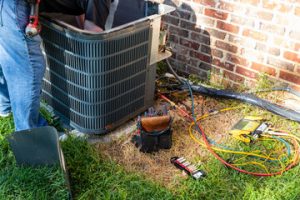
  • Coil Cleaning: Dirt on evaporator and condenser coils decreases heat transfer efficiency. Cleaning coils improves performance and energy savings.
  • Refrigerant Checks: Maintaining optimal refrigerant levels supports efficient cooling and protects the compressor.
  • Electrical Inspections: Regularly checking wiring, capacitors, and connections prevents electrical failures and ensures safe operation.
  • Ductwork Evaluation: Sealing leaks, insulating ducts, and optimizing airflow maintain balanced temperatures and reduce energy waste.

Many HVAC providers offer seasonal maintenance plans, scheduling inspections before peak heating or cooling periods. These plans help prevent emergency repairs, enhance energy efficiency, and maintain consistent indoor comfort year-round.

Enhancing Energy Efficiency

Energy efficiency is a significant benefit of expert HVAC services. Proper maintenance and timely repairs reduce energy consumption while maintaining optimal comfort. Strategies include:

  • Leak Repairs: Fixing leaks in ducts or refrigerant lines prevents wasted energy.
  • Component Optimization: Cleaning or replacing coils, filters, and worn mechanical parts improves performance.
  • Smart Thermostats: Programmable or smart thermostats optimize HVAC operation according to occupancy, schedules, and weather conditions.
  • High-Efficiency Upgrades: Replacing older components with energy-efficient alternatives reduces operational costs and environmental impact.

Energy-efficient HVAC systems deliver reliable comfort while lowering utility bills and reducing the carbon footprint.

Improving Indoor Air Quality

Indoor air quality is a critical component of a healthy and comfortable environment. HVAC systems play a vital role in circulating clean air, controlling humidity, and removing airborne contaminants. Professional HVAC services enhance indoor air quality by:

  • Installing Advanced Filtration: High-quality filters capture dust, allergens, and fine particles.
  • Humidity Management: Properly controlled humidity prevents mold growth and reduces allergens.
  • Air Purification Systems: HEPA filters, UV lights, and ionizers remove pollutants, providing healthier air for occupants.

Improved indoor air quality supports occupant health, increases comfort, and maintains HVAC system efficiency.

Residential and Commercial HVAC Services

Residential HVAC Services

Homeowners benefit from expert HVAC services through consistent indoor temperatures, improved air quality, and energy savings. Professional maintenance, repairs, and upgrades ensure year-round comfort and reliable system performance.

Commercial HVAC Services

Businesses require dependable HVAC systems to maintain employee productivity, protect equipment, and provide a comfortable environment for clients. Expert commercial HVAC services include system design, installation, preventive maintenance, and energy efficiency upgrades for large or complex spaces.

Both residential and commercial properties gain from professional HVAC services that ensure reliability, efficiency, and comfort.

Signs You Need Expert HVAC Services

Property owners should be alert to warning signs that HVAC services are required, including:

  • Uneven or inconsistent indoor temperatures
  • Unusual sounds or odors from the system
  • Water leaks or ice buildup
  • Frequent cycling or short-cycling
  • Rising energy bills despite normal usage
  • Reduced indoor air quality

Early intervention by professional HVAC technicians prevents minor problems from escalating, maintains system efficiency, and ensures continuous comfort.

Choosing a Top-Rated HVAC Service Provider

Selecting the right HVAC provider is essential for long-term system performance and peace of mind. Consider the following factors:

  • Experience and Expertise: Technicians should have extensive knowledge of various HVAC systems and brands.
  • Comprehensive Services: Providers should offer installation, repair, maintenance, and upgrades.
  • Quick Response: Fast service minimizes downtime and maintains comfort.
  • Quality Parts and Equipment: Using high-quality components ensures long-lasting repairs.
  • Maintenance Plans: Scheduled preventive maintenance helps prevent costly repairs and maintains energy efficiency.

Top-rated HVAC providers ensure consistent comfort, improved air quality, and reliable heating and cooling for both residential and commercial spaces.

Top-rated HVAC services are vital for maintaining comfort, performance, and energy efficiency in homes and businesses. Professional installation, prompt repair, and routine maintenance ensure systems operate reliably, extend equipment lifespan, and improve indoor air quality.

Routine preventive care prevents minor issues from becoming major problems, enhances energy efficiency, and supports consistent indoor comfort. Upgrades such as energy-efficient components, smart thermostats, and advanced filtration systems further improve performance and reduce operating costs.

Investing in expert HVAC services guarantees reliable heating, cooling, and ventilation throughout the year. Whether for residential or commercial spaces, professional HVAC care is an essential investment in comfort, efficiency, and a healthier indoor environment.